Ram 5500 6.7L Cummins EGR Cooler Leak Diagnosed and Fixed
An EGR cooler leak on a 6.7L Cummins is one of those problems that can sneak up on you. The truck starts running a little warm. Coolant level keeps dropping. No puddle on the ground. No obvious external leak. That's what makes an internal EGR cooler failure so frustrating - the coolant isn't going anywhere you can easily see, and if you ignore it long enough, you're looking at a much bigger engine problem.
Here's what we were working with on this Ram 5500. The truck was losing coolant and running hot, but there was no clear external source. That's when pressure testing becomes your best tool. We pressurized the cooling system to isolate where the loss was happening, and it pointed straight to the EGR cooler. The EGR cooler on the 6.7L uses engine coolant to drop exhaust gas temps before those gases re-enter the intake. When the cooler fails internally, coolant can mix with exhaust gases or just disappear into the intake tract entirely. Neither outcome is good.
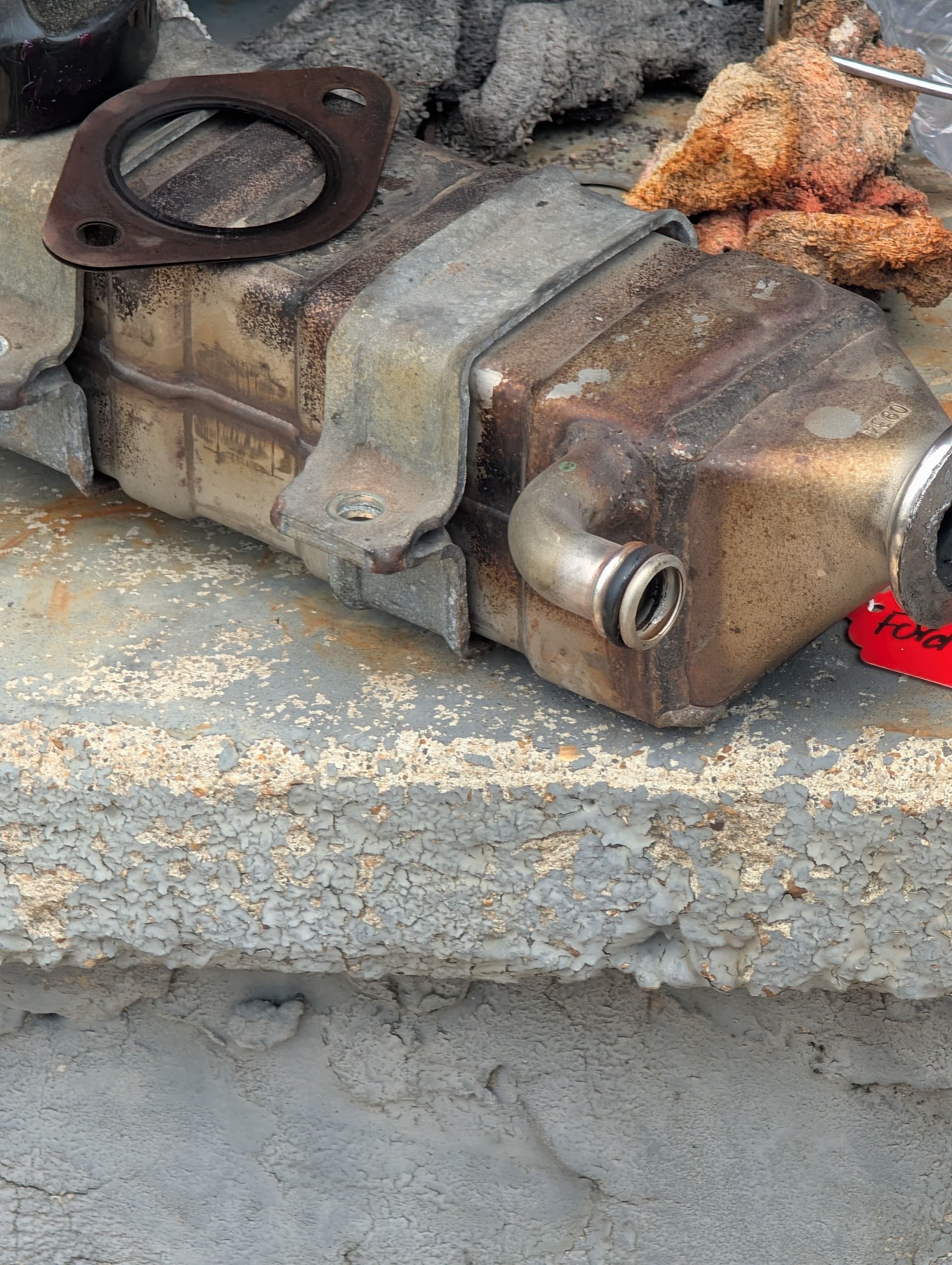
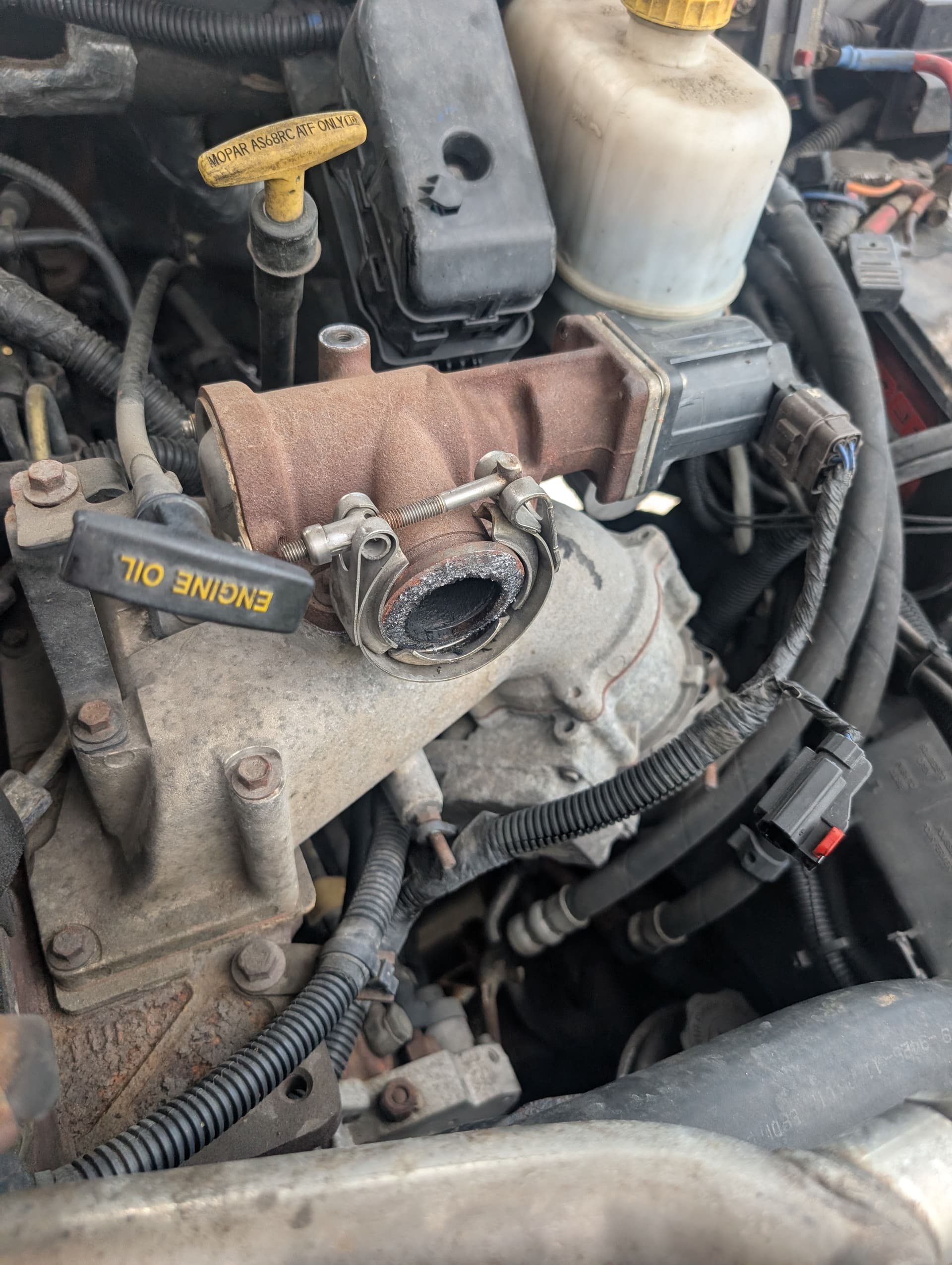
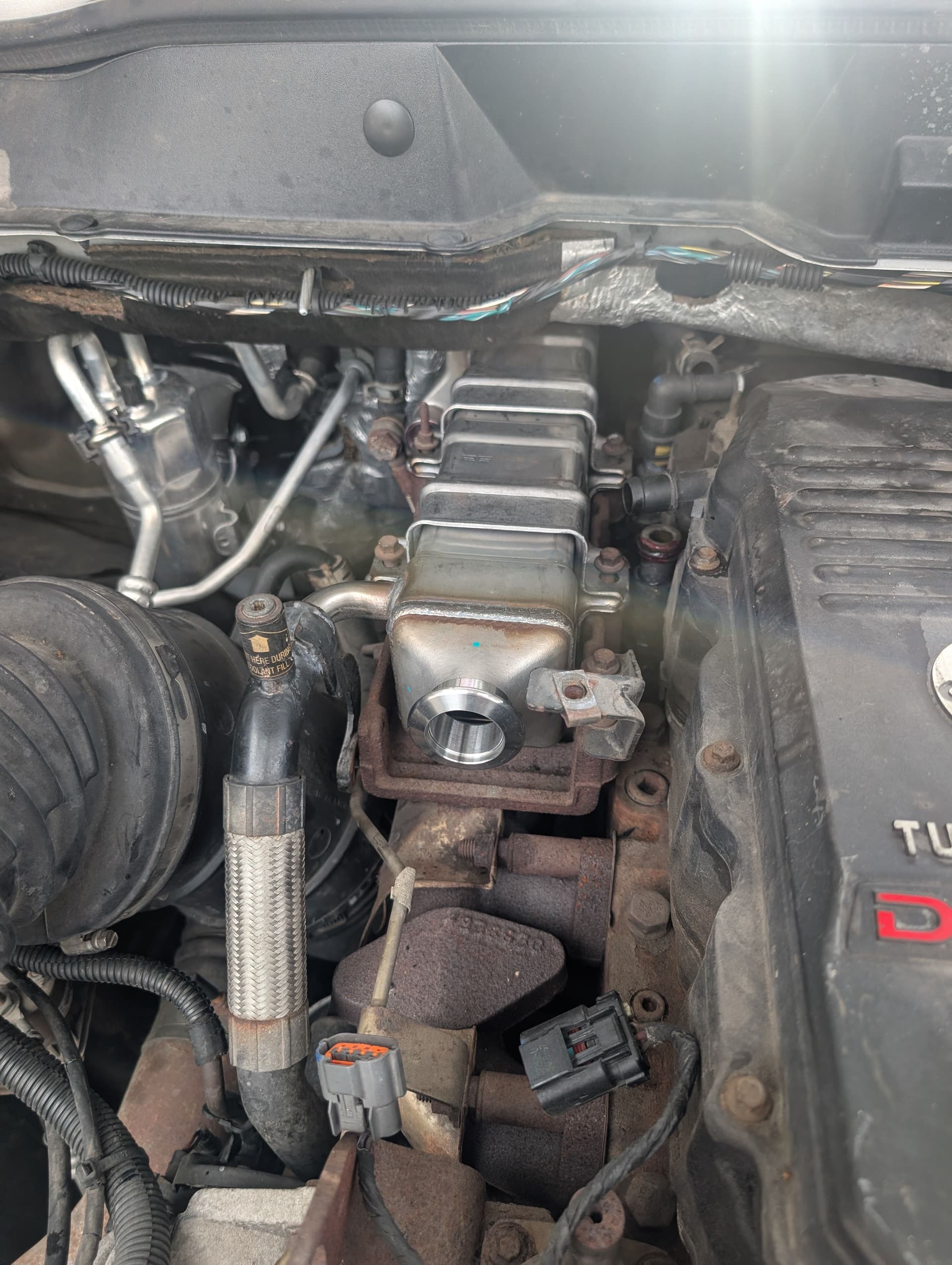
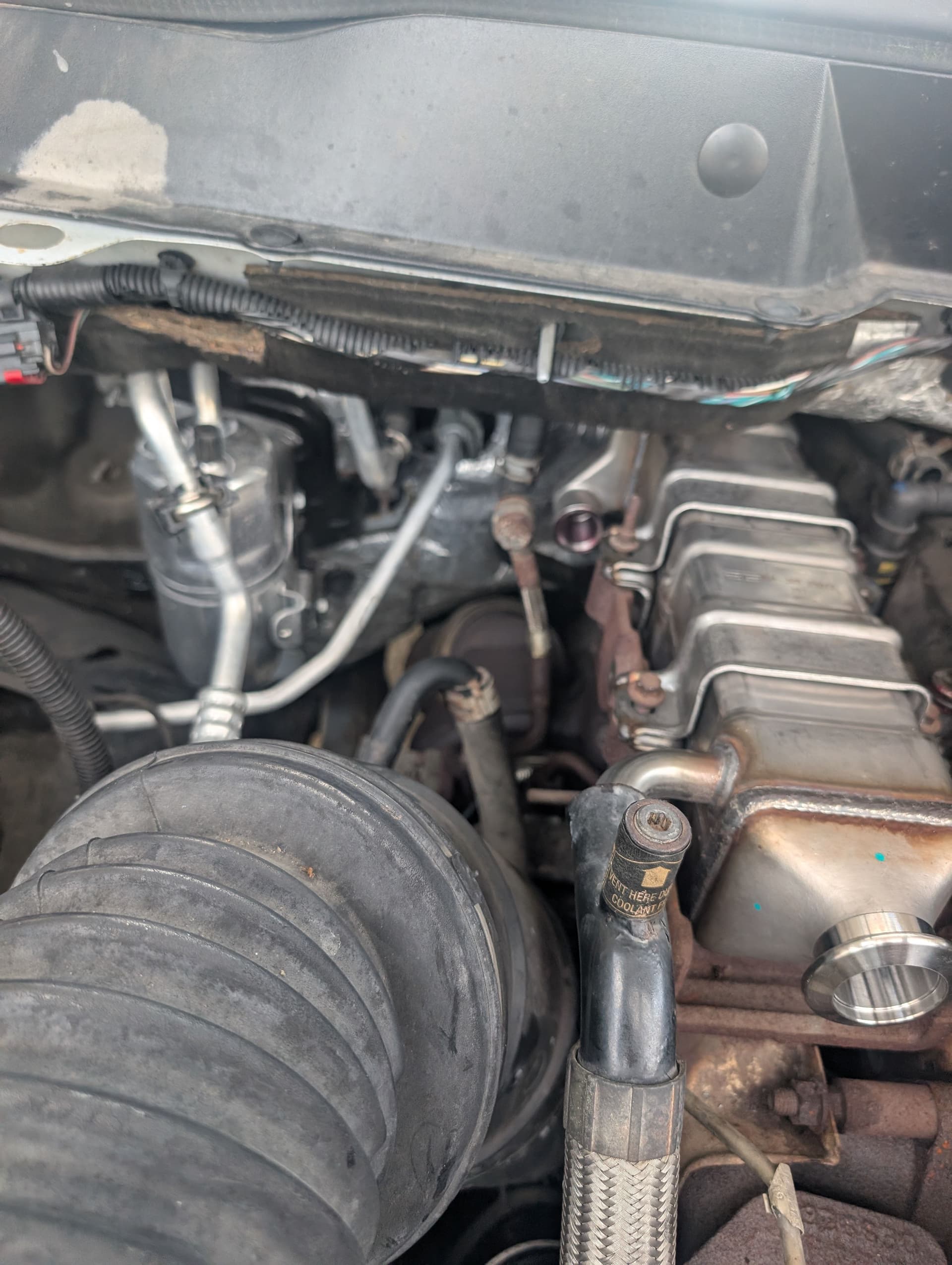
The failed cooler came out heavily corroded and worn - exactly what you'd expect from a part that lives in one of the harshest thermal environments in the engine bay. Once the old unit was out, we got the new EGR cooler seated and plumbed back in, refilled and bled the cooling system, and verified the truck was holding coolant and temp with no issues.
This kind of repair takes real diesel diagnostic experience to do right. Guessing at a coolant leak on a 6.7L and just throwing parts at it wastes time and money. The pressure test is what tells you the truth, and knowing how to read those results - and what to do with them - is what gets the truck fixed correctly the first time.
If your diesel is running hotter than normal, losing coolant without an obvious leak, or showing any white smoke from the exhaust, don't wait on it. These symptoms rarely fix themselves, and catching an EGR cooler failure early is a whole lot cheaper than dealing with what comes after you ignore it.