Warning Lights On? Here's What a Real Diagnosis Actually Looks Like
Dashboard warning lights are stressful. Most people see one come on and immediately think worst case scenario - major engine damage, thousands of dollars, weeks without a car. The reality? A lot of the time, the root cause is something far more specific and fixable. But you have to actually dig for it.
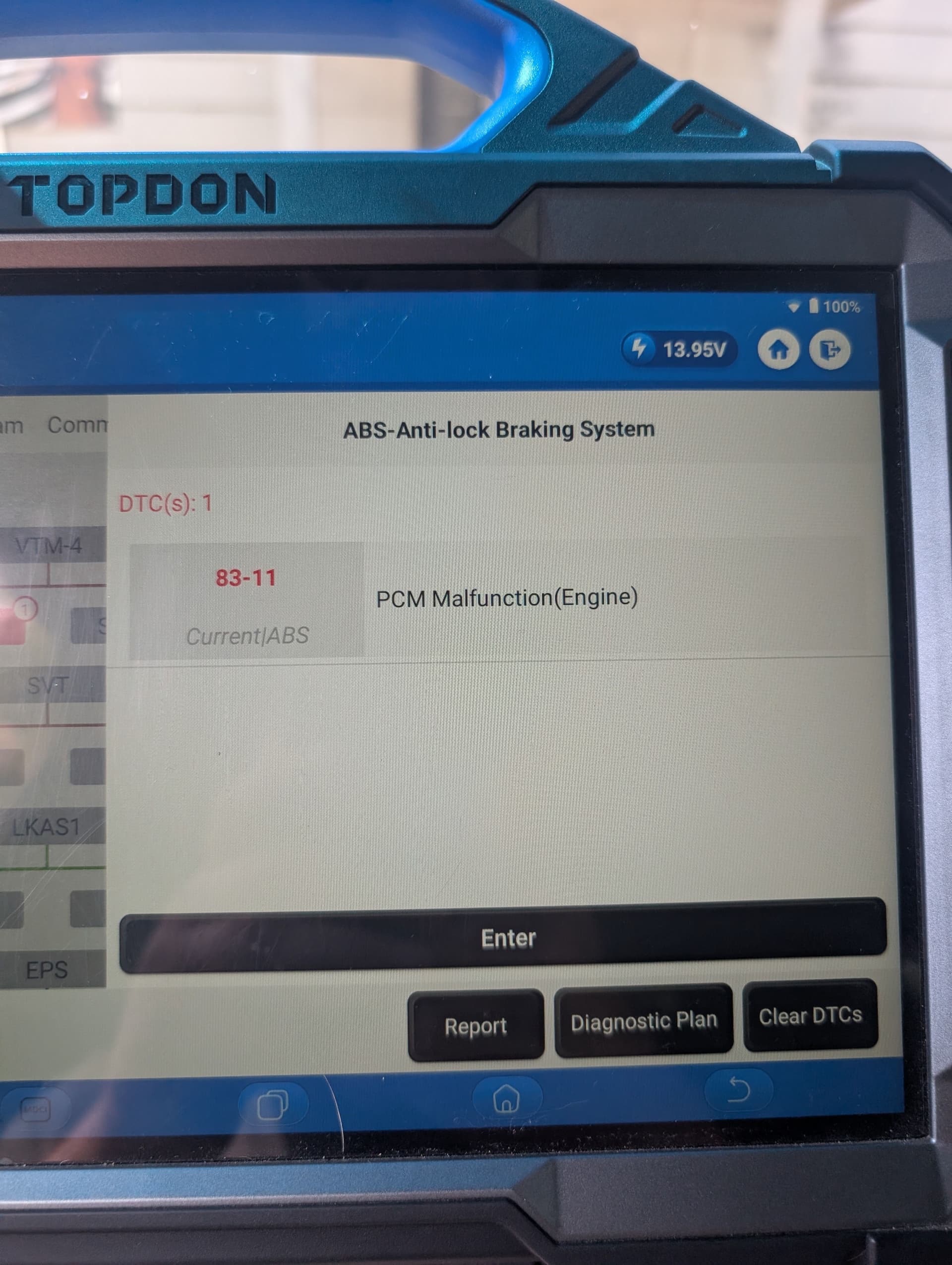
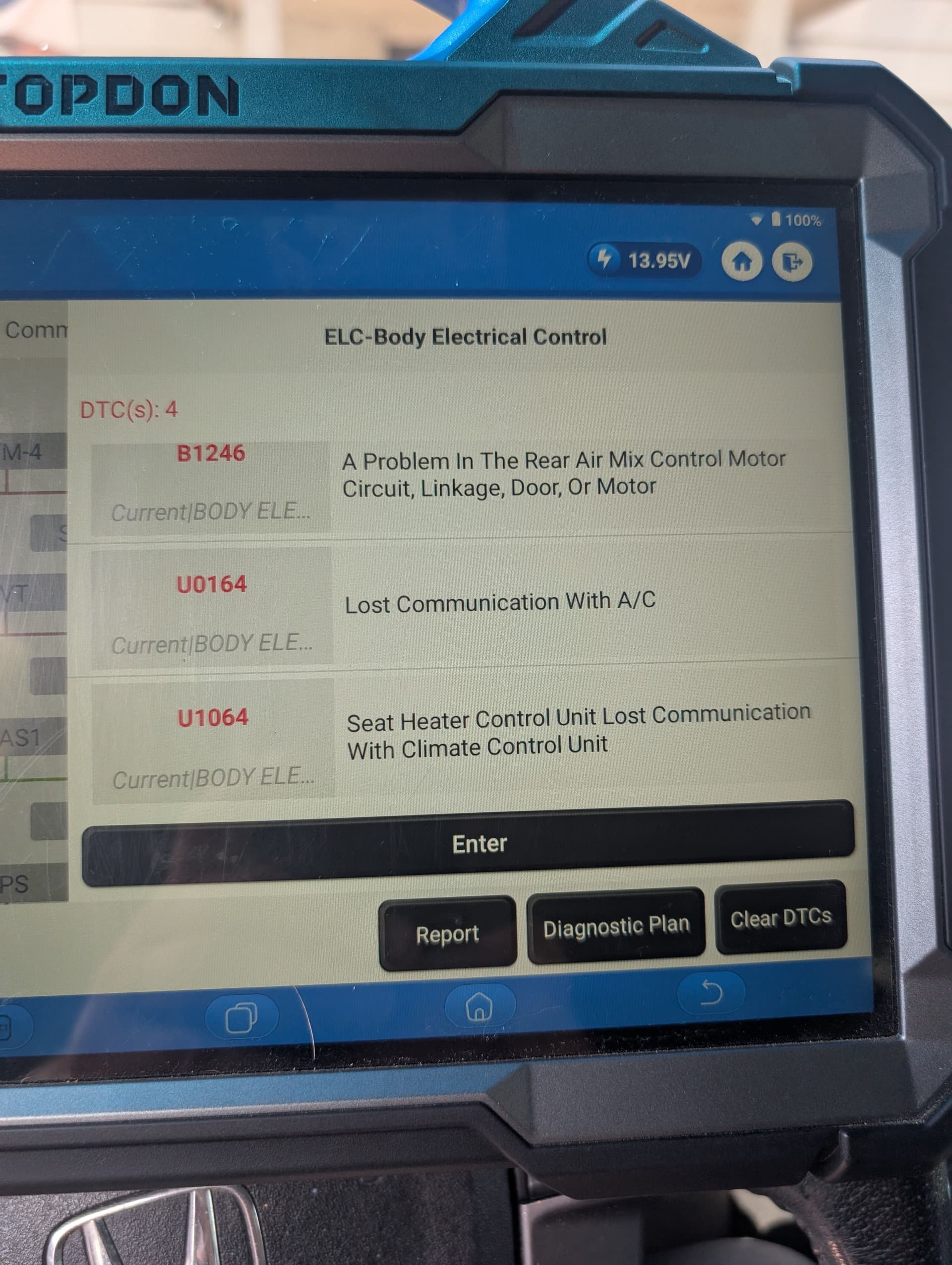
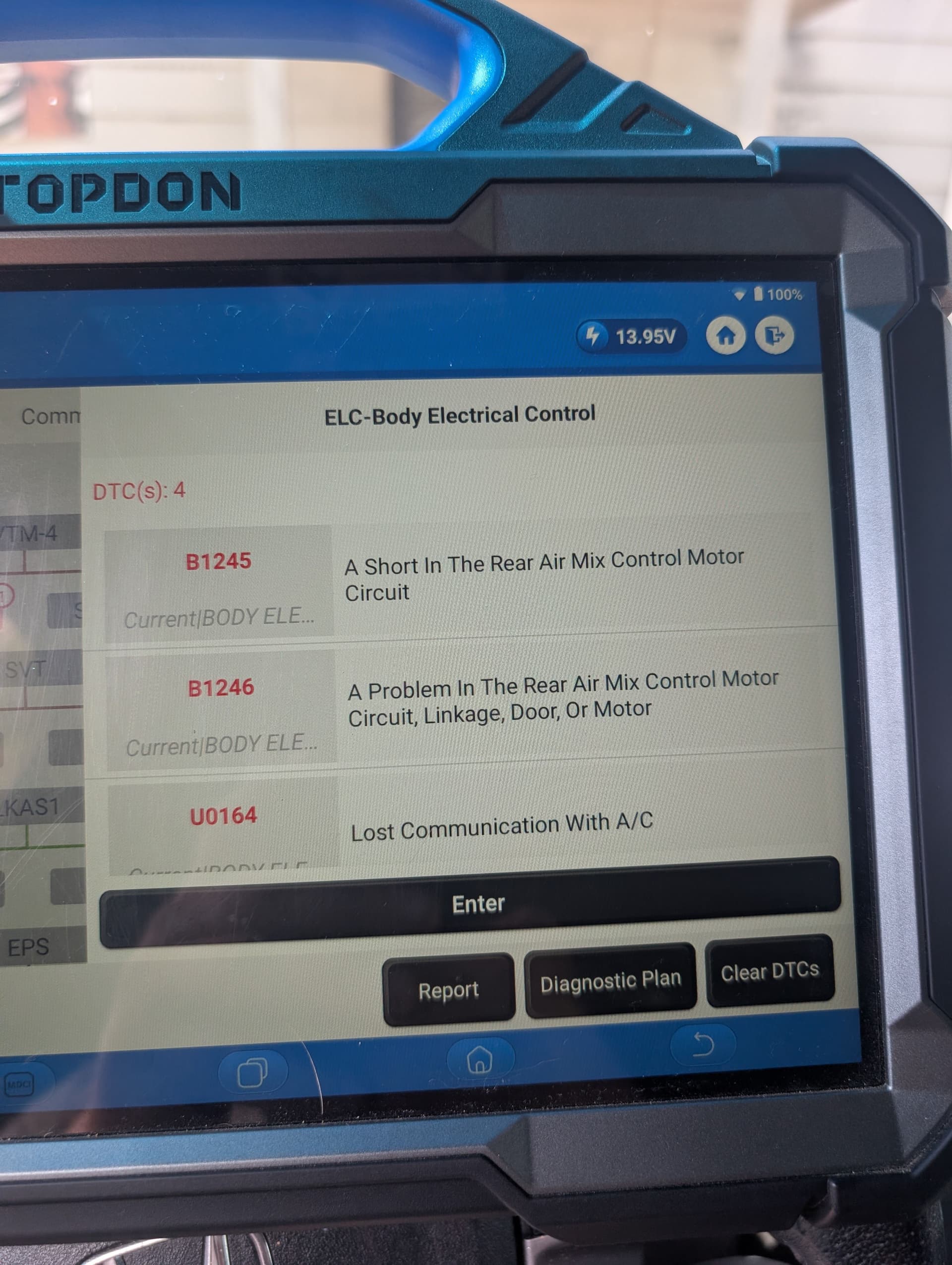
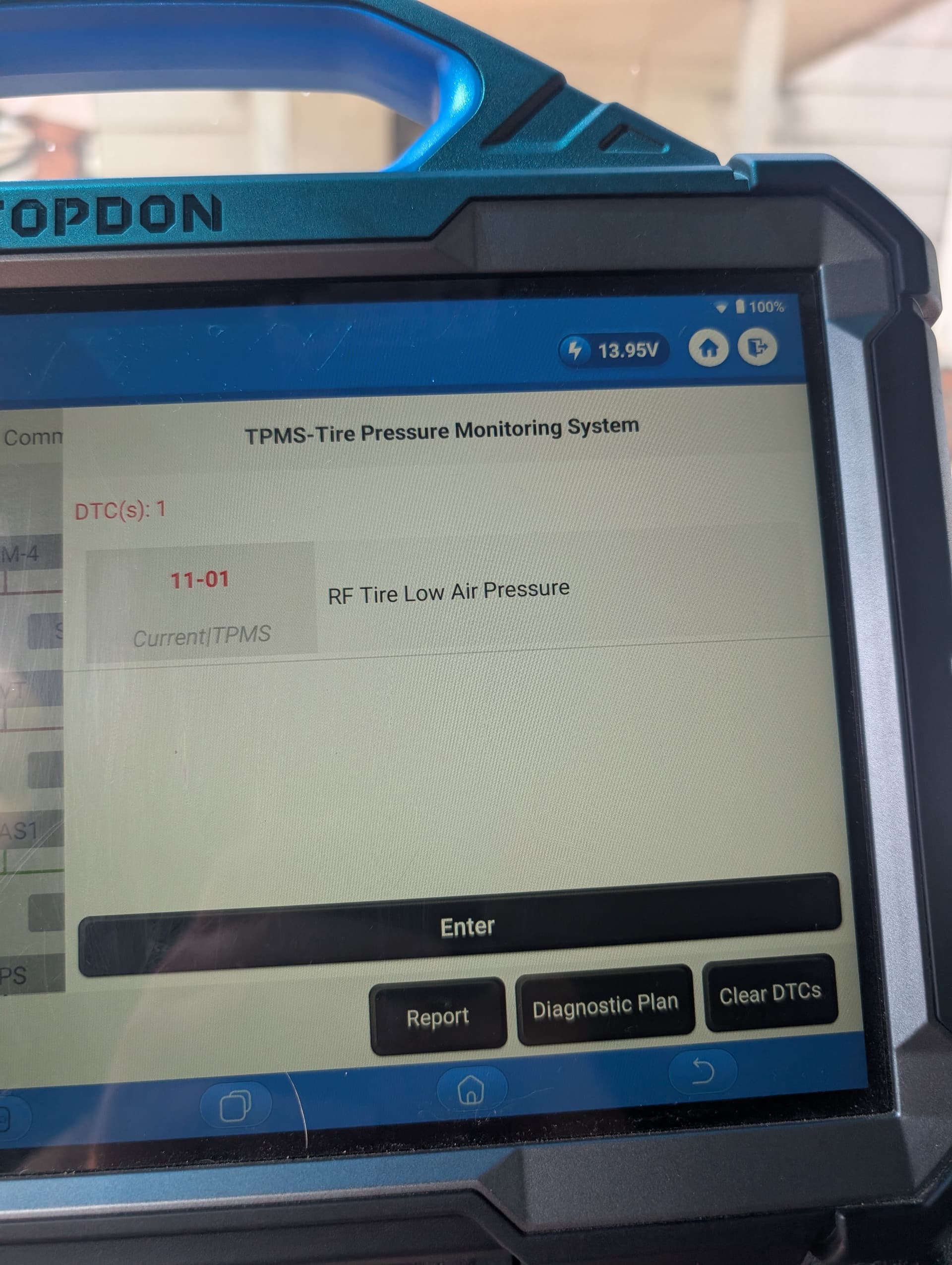
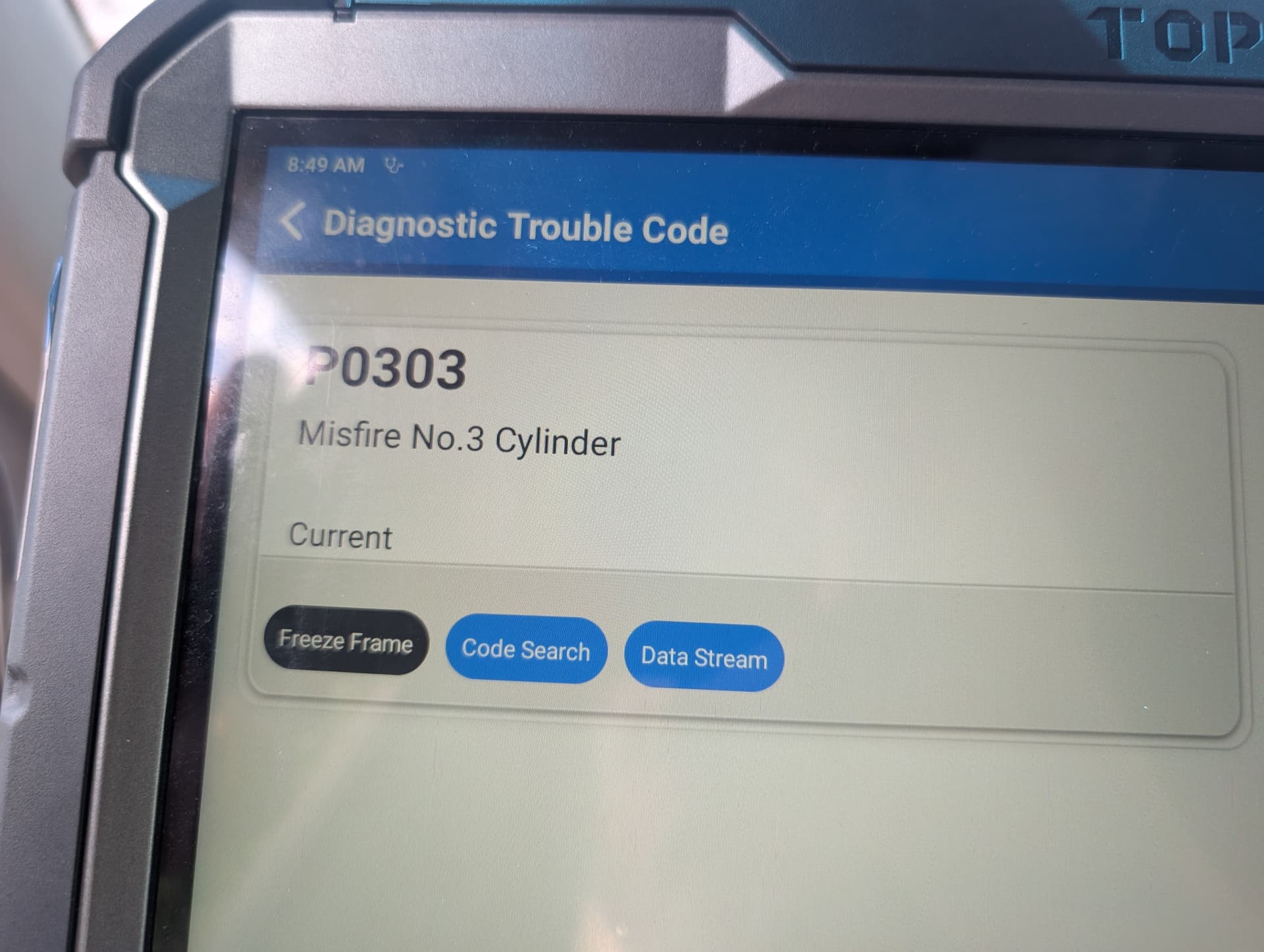
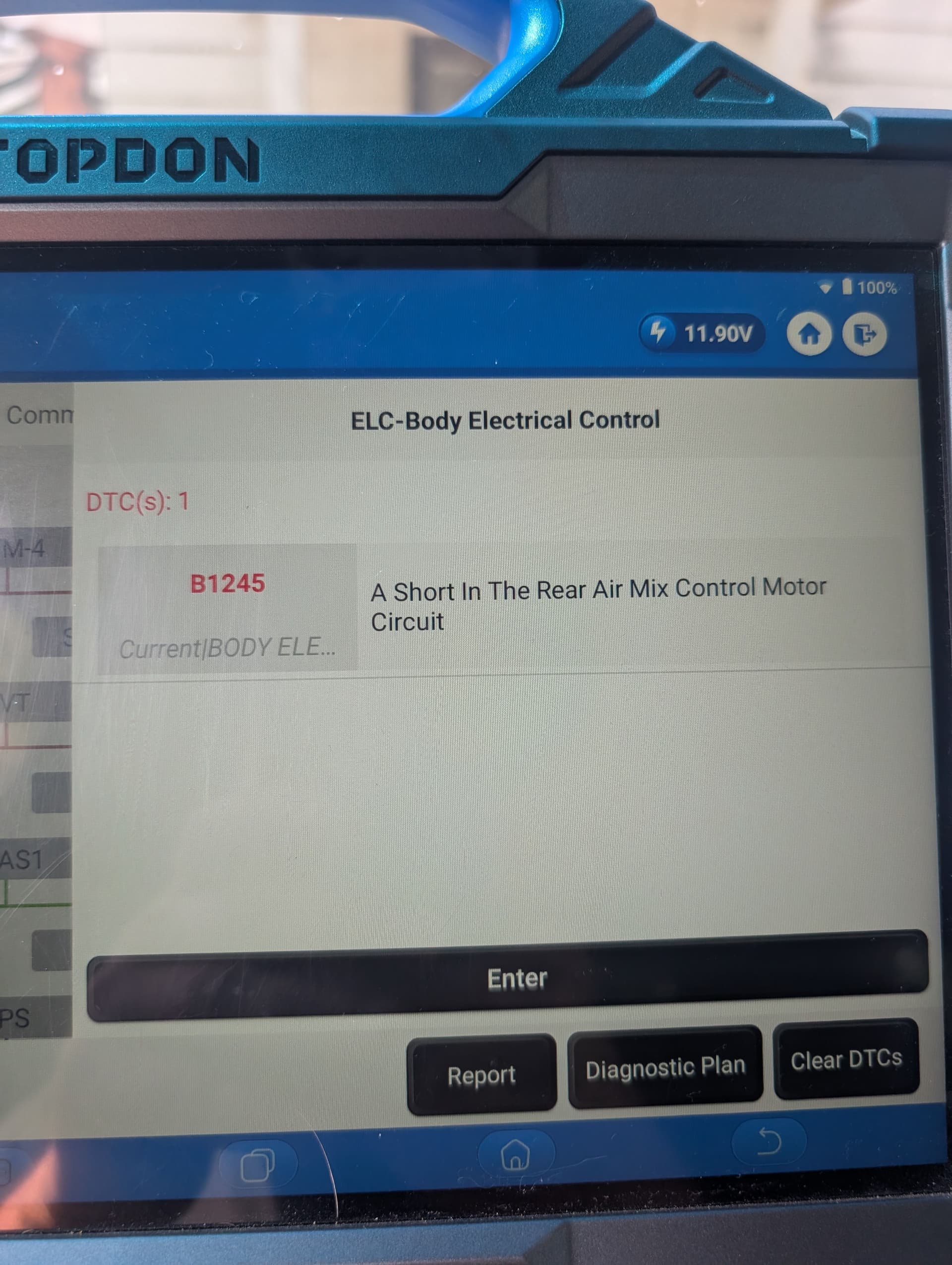
That's exactly what we did here. We plugged into this 2012 Honda Pilot with our TOPDON diagnostic scanner and started pulling codes across every system - ABS, body electrical control, TPMS, and the engine control module. What came back was a full picture. A cylinder 3 misfire (P0303), a PCM malfunction flagged through the ABS system, body electrical codes tied to the rear air mix control motor circuit and A/C communication loss, and a right-front tire pressure fault. Each system told part of the story.
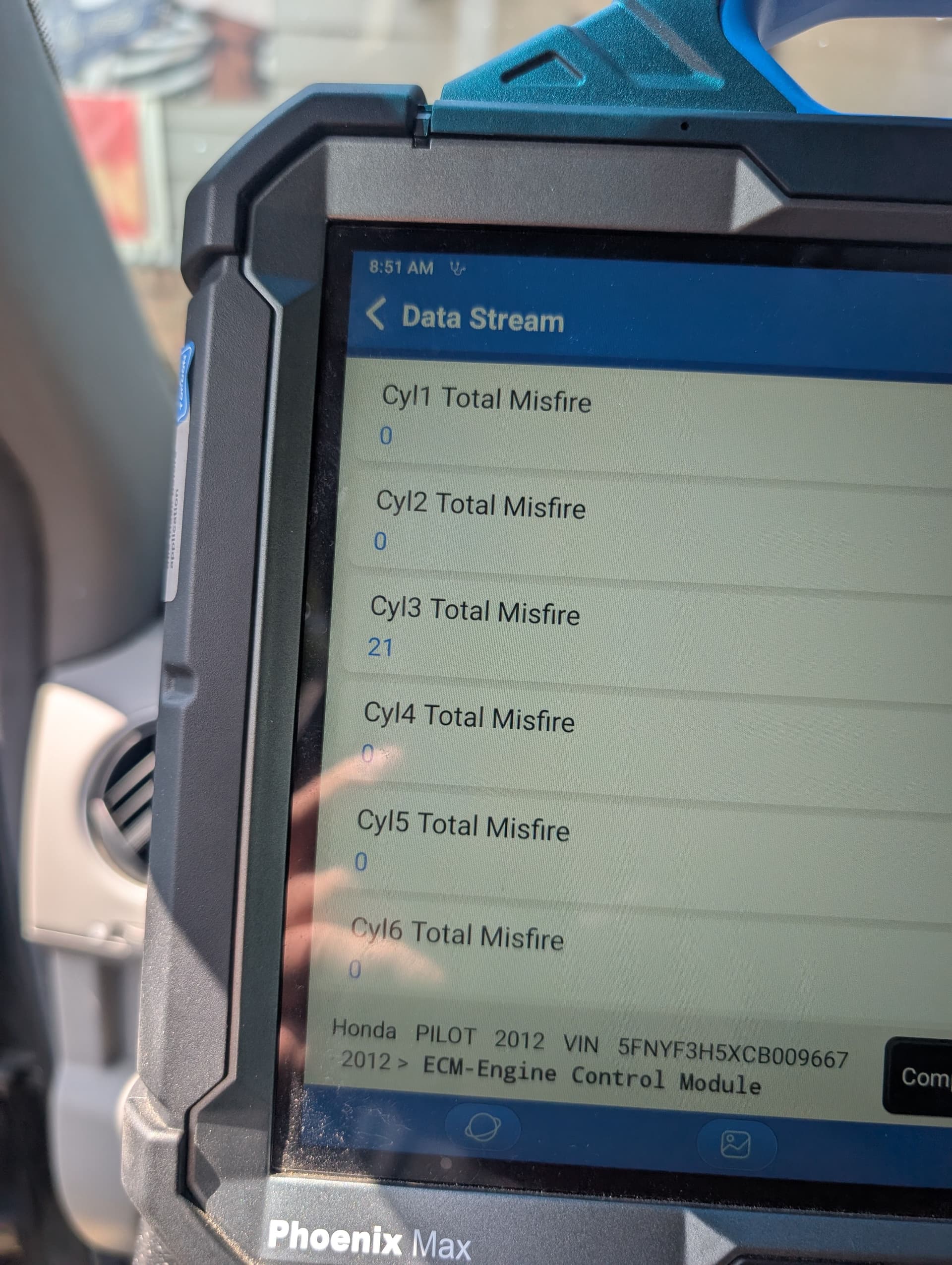
Here's why this matters. If you just clear codes and call it a day - which some shops do - none of that gets fixed. The lights come back on. You're back to square one. What we do instead is go system by system, read the live data stream, and figure out what's actually happening. The data stream on cylinder 3 showed 21 total misfires actively logged while the other five cylinders read zero. That kind of data points you straight at the problem instead of guessing.
A proper tune-up addressed the misfire, and the other codes got sorted out one by one. That's the process. It's not glamorous, but it's thorough - and it's what keeps you from coming back in two weeks with the same problem wearing a different code number.
When your warning lights come on, the scan is just the starting point. What you do with that information is what separates a real repair from a temporary fix. We take the time to understand what the vehicle is telling us before we touch anything. That's how we make sure the repair actually sticks.